
Complete Guide to Email Marketing: How to Grow Sales Through Automation
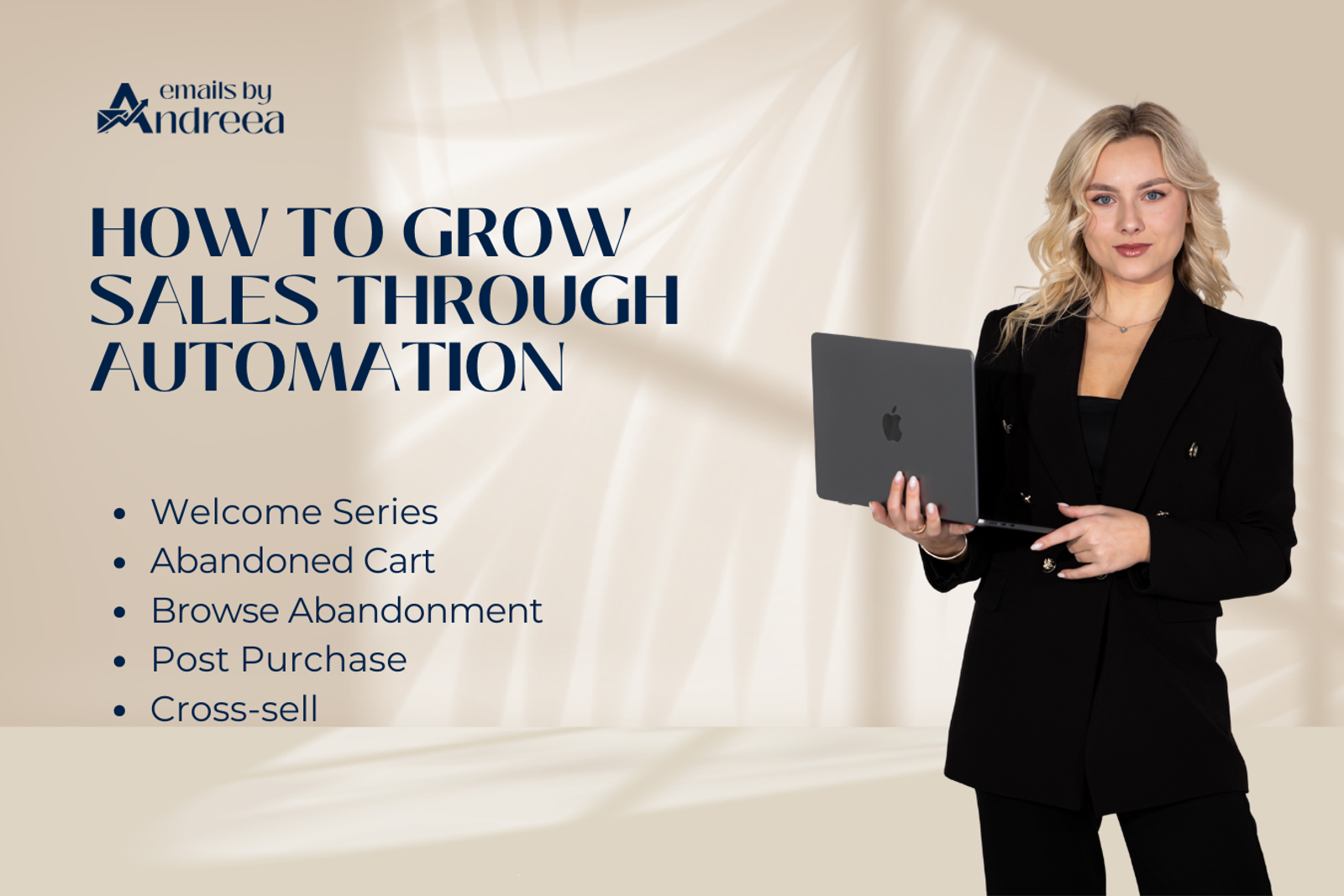
In the fast-moving landscape of eCommerce, driving traffic to a website is only the first half of the battle. The real challenge lies in turning casual visitors into loyal customers and increasing the lifetime value of every buyer (Customer Lifetime Value). While social media and paid ads capture attention, the channel that consistently delivers the highest return on investment (ROI) remains, without question, email marketing.
That said, sending generic newsletters to an entire database no longer works. Today's consumers expect messages that are relevant, personalized, and delivered at the right moment. That's where a dedicated eCommerce email platform (like Klaviyo, Omnisend, theMarketer, HubSpot etc.) comes in, turning automation from a buzzword into a real revenue-generating engine.
Why a Dedicated eCommerce Platform Makes the Difference
Unlike generic email tools, platforms built specifically for online stores integrate natively and deeply with the shopping platforms themselves: Shopify, WooCommerce, Magento, BigCommerce, collecting a massive amount of data on user behavior.
A good platform doesn't just store email addresses, it tracks every action a user takes on your site: which products they view, what they add to their cart, what they purchase, order value, purchase frequency, and even how they engage with previous emails. All of this data is used to build hyper-personalized campaigns and automated messaging flows.
Essential Automations Every Store Should Set Up
The main strength of email automation lies in the ability to send relevant messages without constant manual intervention. Once an automation is set up, it runs 24/7, generating sales in the background. Here are the most important automated flows every online store should implement:
1. Welcome Series
When a visitor subscribes to your newsletter, often in exchange for a discount code or a free guide, their attention to your brand is at its peak. The welcome flow is the first impression, and it typically has the highest open rates.
- Email 1: Immediate delivery of the promised incentive (e.g., the discount code) and a brief introduction to the brand's values.
- Email 2: Introduce the brand story and highlight best-selling products.
- Email 3: Social proof, customer reviews and reasons why the subscriber should trust your products.
2. Abandoned Cart Automation
Roughly 70% of shoppers add products to their cart and leave the site without completing the purchase. A well-structured abandoned cart flow can recover between 10% and 30% of these lost sales.
The best flows dynamically display the exact products left in the cart and build logic branches based on cart value. For example, a higher-value cart can receive a more attractive incentive to complete the order.
3. Browse Abandonment Series
What happens with users who visit a product page but never add anything to their cart? You can identify these users (if they're already subscribers) and send them a friendly email reminding them of the product they viewed, potentially recommending similar items as well.
4. Post-Purchase and Cross-Sell Emails
The relationship with a customer doesn't end once they place an order, in fact, that's when it really begins. Post-purchase automations confirm the order, provide product usage guidance, and later recommend complementary products.
- Usage guide / thank-you email: Sent shortly after purchase to ease any post-purchase anxiety.
- Upsell / cross-sell: Sent 14–30 days after purchase, suggesting products that pair well with the original purchase.
- Review request: Encourages the customer to leave a review in exchange for loyalty points.
Advanced Segmentation: Send the Right Message to the Right Person
One of the biggest mistakes in email marketing is sending the same message to an entire list. The strongest platforms excel at dynamic segmentation: instead of relying on static lists, you can build segments that update automatically in real time based on criteria you define.
Here are a few highly profitable segment examples:
- VIP customers: People who have placed more than 3 orders or spent above a certain amount. They deserve early access to new collections or exclusive discounts.
- At-risk customers: Users who have purchased in the past but haven't engaged with your site or emails in the last 90–180 days. A win-back flow can bring them back.
- Deal hunters: Subscribers who only purchase when using a discount code.
- Engaged subscribers: People who have opened an email in the last 30 days. Sending regular campaigns to this segment helps maintain strong deliverability.
How to Optimize Campaigns for Maximum Conversion
Most modern email platforms give you access to advanced analytics and testing tools. To get the best results from your email marketing strategy, keep these best practices in mind:
Run A/B tests: Don't guess what works, test it. You can easily test subject lines, sender names, send times, or the visual design of your templates.
Clean, responsive design: Over 60% of emails are opened on mobile devices. Make sure your layout is optimized for phone screens, your call-to-action (CTA) buttons are large and easy to tap, and your text is readable.
Maintain list hygiene: List quality matters far more than list size. Regularly clean your database by removing inactive or bouncing addresses. This helps keep your emails out of the spam folder.
Conclusion
Implementing an effective email marketing strategy is a long-term investment in the scalability of your business. By combining precise segmentation with intelligent automation, you'll be able to deliver personalized experiences to every customer, increasing conversion rates and building lasting audience loyalty.
If you're not yet using the full potential of your email platform, now is the perfect time to start building your first automated flows and turn your email list into a consistent, predictable revenue channel.